
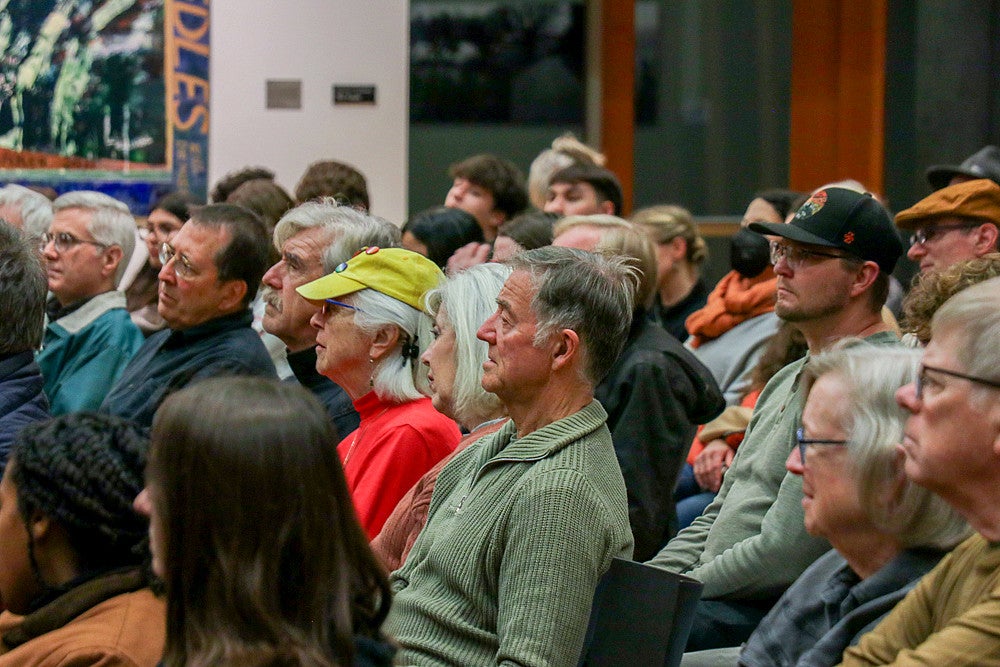
Only two days after Election Day, nearly 150 students, faculty, and community members gathered at the University of Oregon’s Ford Alumni Center for the Wayne Morse Center for Law and Politics’ 2026 Post-Election Roundtable. With Democrats making significant gains across the country, the November 5th discussion was focused on a larger question: What happens next?
Moderated by Dan Tichenor, Philip H. Knight Chair of Social Science and co-director of the Wayne Morse Center, the panel introduced varied perspectives: American politics, journalism, and global affairs, among others. The conversation featured Aneesh Aneesh, executive director of the Schnitzer School of Global Studies and Languages; Regina Lawrence, dean of the UO School of Journalism and Communication; and former U.S. Rep. Peter DeFazio. Rebecca Tweed, president of Tweed Strategies, was unable to attend due to illness.
Opening Statements
Asked to summarize their overall reactions to the election results, the panelists weighed in from their different points of view:
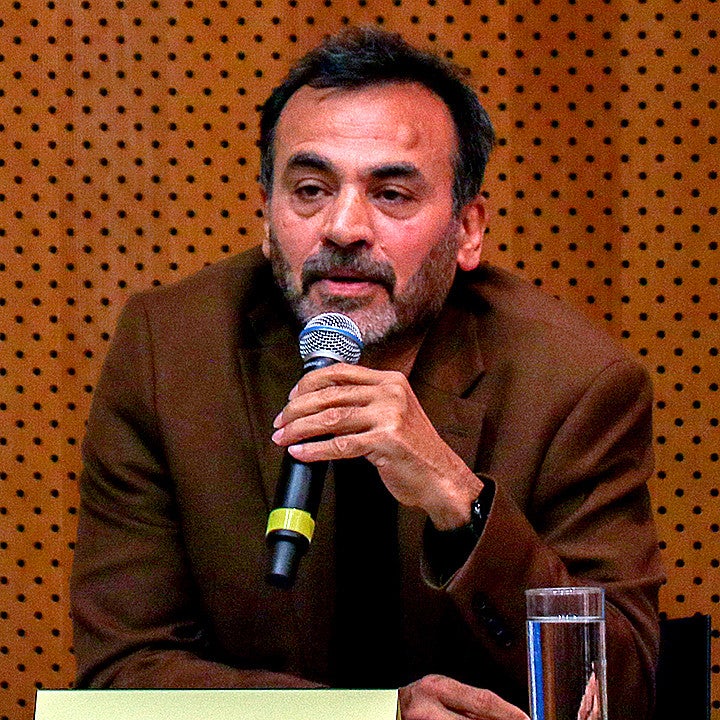
“I think the world has come home to America.”
Aneesh Aneesh opened with a global perspective, averring international developments increasingly shape everyday life in the United States. The war with Iran, trade tariffs, energy markets, and the rapid growth of artificial intelligence and data centers all illustrate how events beyond US borders can have direct consequences at home. American politics, he suggested, cannot be understood in isolation.
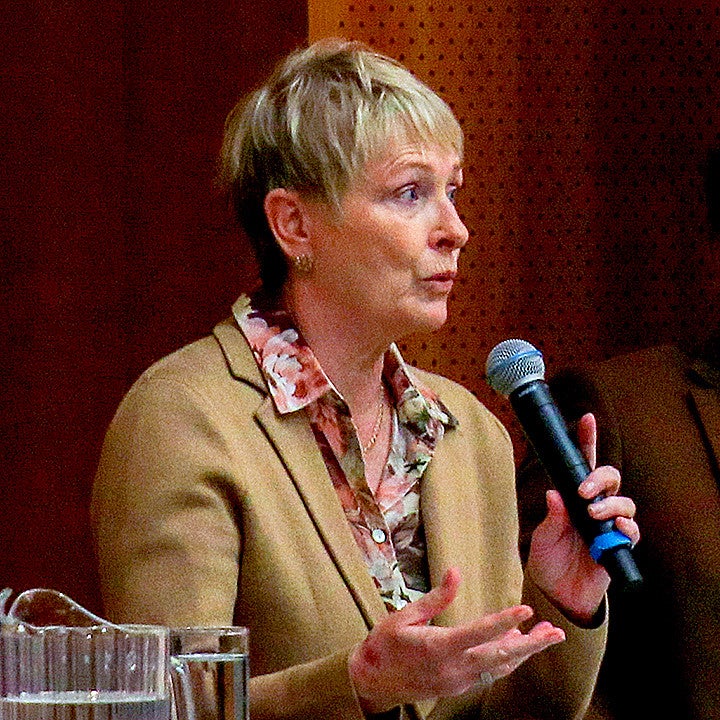
“The ongoing good, difficult journalism ... was kind of a steady backdrop to this whole election.”
Regina Lawrence turned to voter experience, directly. For many, the cost of groceries, gasoline, housing, and health insurance may have mattered more than the enormous sums spent on political advertising. Concerns about democracy and corruption also remained prominent. She pointed to investigative journalism’s role in keeping questions about government conduct and accountability in public view.
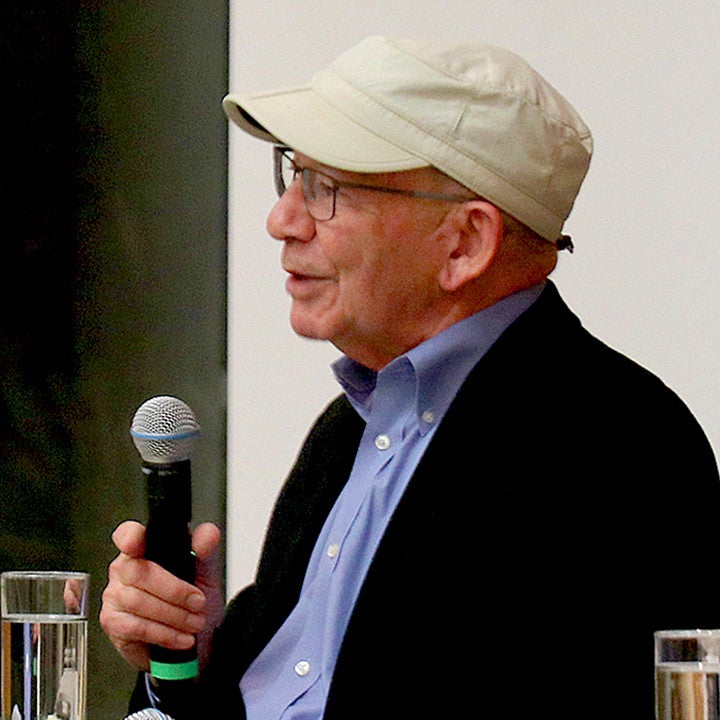
“Now the Democrats have to deliver on the real need, the real concern.”
Peter DeFazio described the election as an extraordinary set of Democratic gains, including victories in places where partisan barriers had long appeared difficult to overcome. Economic pressures, including the effects of tariffs and the war, were important factors for voters across different communities. But he cautioned that electoral success would mean little without results. Democrats, he argued, would need to address the economic concerns that brought voters to the polls – while also pursuing accountability.
For all the panelists, one consequential point was whether Democratic party gains represented a lasting political shift or a moment of voter frustration, and whether Democrats could translate the results into meaningful action.
DeFazio pointed to the communities and traditionally Republican areas where Democrats made unexpected gains, while emphasizing that the party must deliver tangible improvements in people’s lives. Lawrence urged caution in interpreting the results as a new Democratic mandate. In her view, Republicans may have lost support without Democrats necessarily having secured lasting loyalty. The durability of the shift, she said, would depend in part on whether young voters and voters of color remain engaged; and whether the party follows through on policy and accountability. Aneesh also saw evidence of a changing coalition, including candidates whose appeal crossed traditional political and ideological lines.
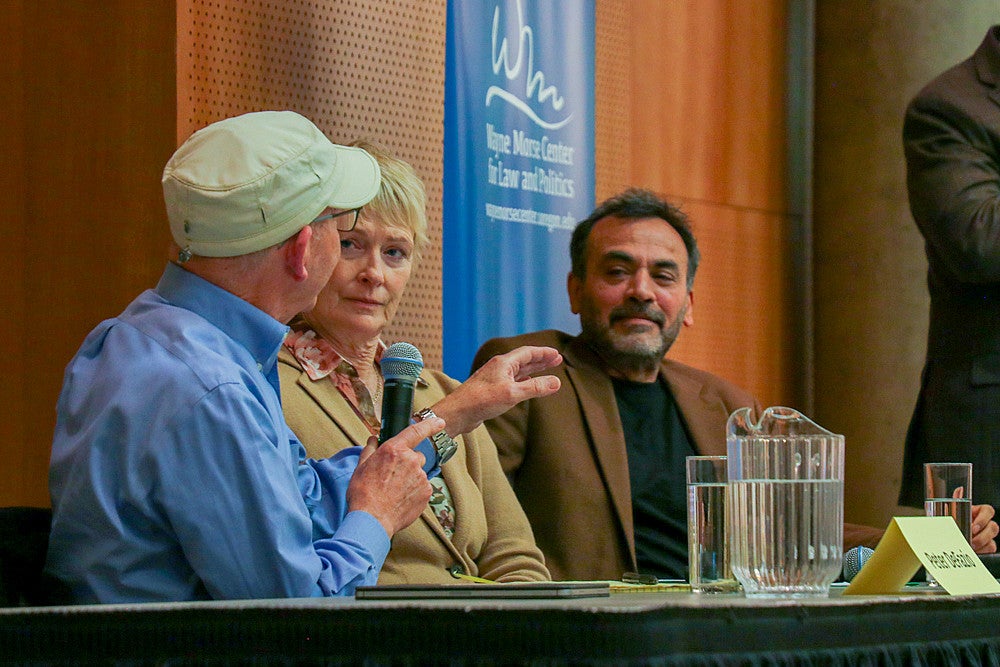
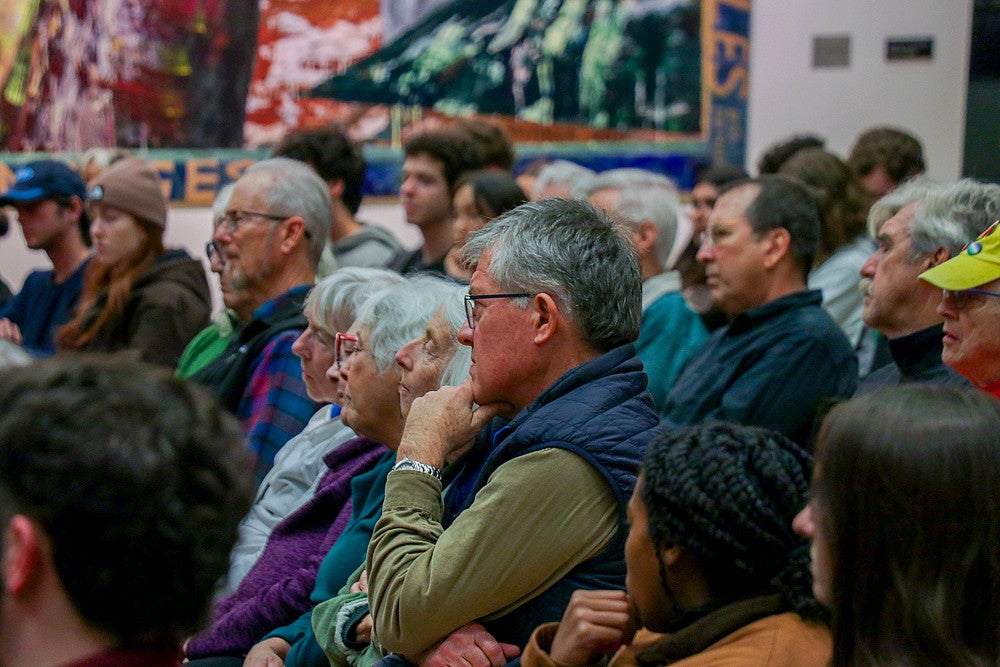
The conversation also explored representation and the significance of historic firsts in American politics. Lawrence noted that breakthroughs can create pathways for others, but that the ultimate goal should be for those achievements to become ordinary features of political life rather than exceptions. Aneesh discussed the broader social and economic changes reshaping ideas about political membership and rights. DeFazio returned to the need for substantive results, emphasizing that representation alone cannot substitute for effective policy and accountability.
Campaign communication offered another window into the election. Panelists discussed the appeal of Texas Democrat James Talarico, whose message they all described as inclusive, authentic, and grounded in shared values. His campaign suggested a way of speaking about political and moral questions that could reach beyond familiar partisan audiences. The discussion also considered the damage candidates and campaigns can do to themselves, as well as the difficulty of building public trust in an environment where voters may define corruption and accountability in very different ways.
Q&A Session
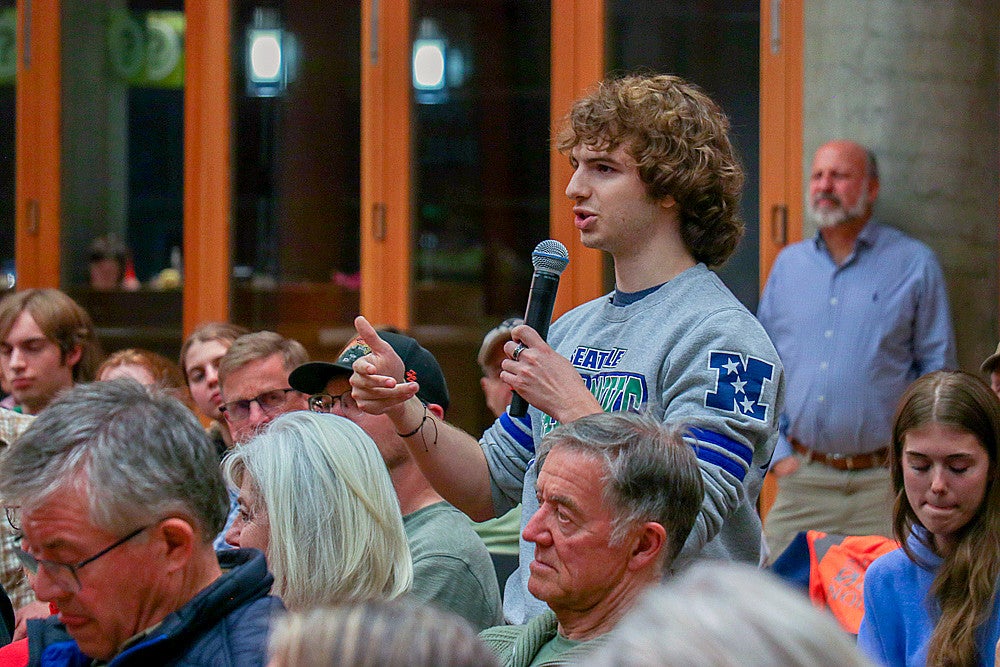
The audience carried these themes into a wide-ranging question-and-answer session. Questions touched on immigration, health care, the future of federal agencies, government spending, political polarization, Russian disinformation, artificial intelligence, data centers, and climate change. Students and community members brought a mix of concern and skepticism – but also renewed hope – to the discussion.
On immigration, DeFazio called for comprehensive reform and a pathway to legal status, arguing that current enforcement practices can harm both the economy and the workforce. The panel also considered the challenges of rebuilding federal institutions, addressing the national debt and responding to the rapid expansion of artificial intelligence and data centers. On each subject, the discussion returned to the difficulty of turning broad political promises into policies that people can see and feel in their daily lives.
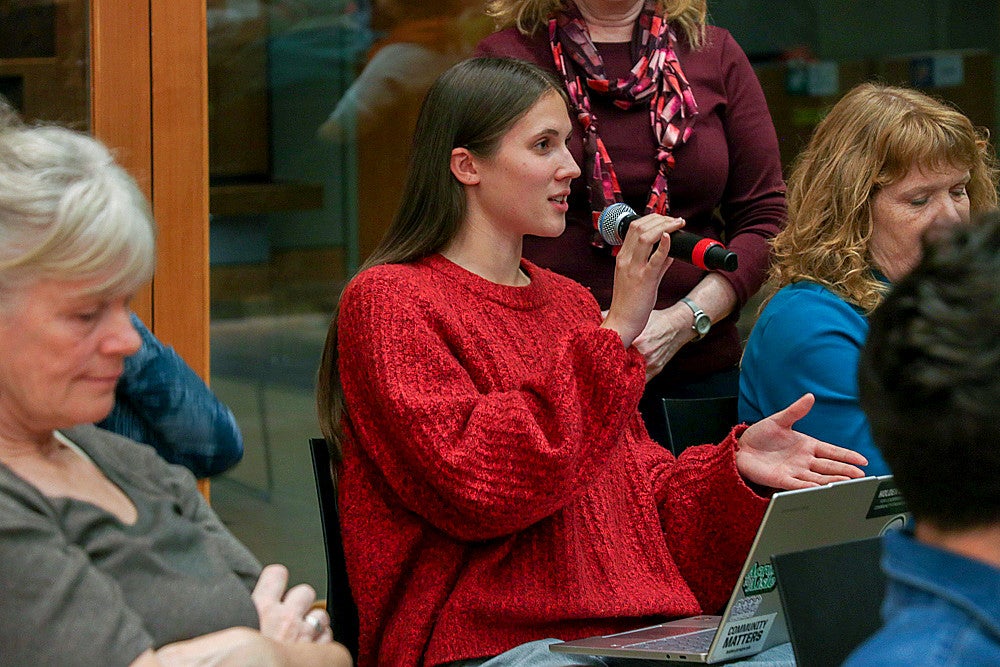
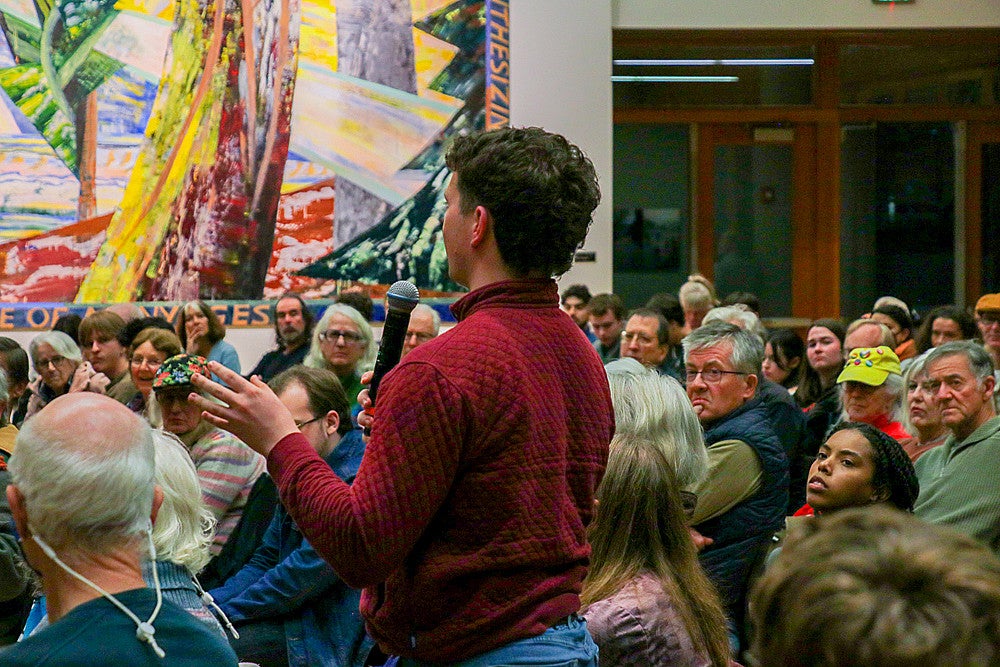
Students in attendance, specifically, were asked whether political institutions could meet the moment. DeFazio stressed that Democrats would need to demonstrate what they could accomplish, not simply what they opposed. The party’s challenge, he said, would be to build a broad coalition while delivering concrete results.
Since the roundtable, two closely watched races that remained unresolved when the panel met have been called for Democratic candidates. In Alaska, Jonathan Kreiss-Tomkins won the governor’s race, becoming the first Democrat elected to the office since 1998. In Mississippi, Scott Colom defeated Republican incumbent Cindy Hyde-Smith in the U.S. Senate race, becoming the state’s first Black senator since Reconstruction. Those results add to the election’s significance, while leaving the larger questions raised by the panel very much alive.
Takeaways
As the discussion drew to a close, Tichenor returned to the balance facing Democrats: oversight and accountability will matter, but so will legislation that addresses the concerns voters have raised. The election may have opened a door, but what comes next will depend on what elected officials do with the opportunity.
That question reaches beyond any one party or election. It speaks to the health of democratic institutions and the responsibility of citizens and public leaders to engage with the challenges facing their communities. By bringing students, scholars, policymakers and community members together for open and thoughtful discussion, the Wayne Morse Center for Law and Politics continues its mission to encourage civic engagement and inspire enlightened dialogue about the issues shaping Oregon, the nation, and the world.