

The Wayne Morse Center for Law and Politics’ 2026-27 Wayne Morse Chair Address at the Ford Alumni Center Tuesday began with a reference to Senator Morse himself.
The Center's 2026-27 Wayne Morse Chair, Katherine Cramer (University of Wisconsin-Madison), connected this current moment in our nation's democracy to the life and legacy of Senator Morse, suggesting the nation is experiencing another pivotal moment in its democratic history. Rather than arguing for or against data center development, Cramer invited the audience to consider what these disputes reveal about how people understand government, how institutions make decisions, and whether ordinary citizens believe they have a meaningful role in shaping their communities.
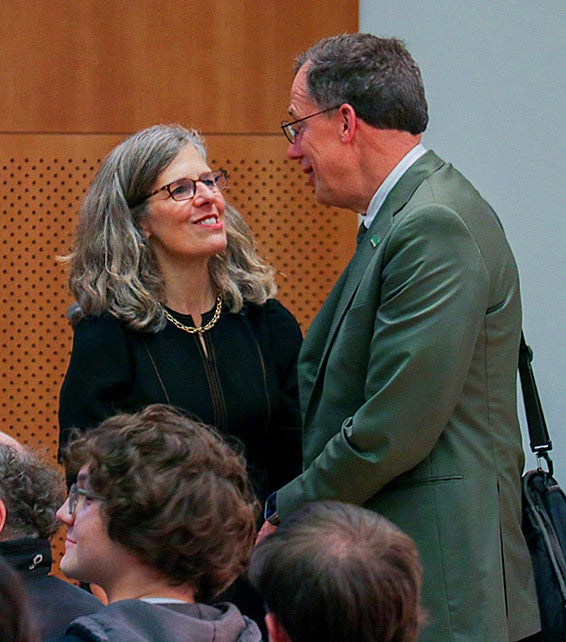
2026-27 Wayne Morse Chair Katherine Cramer welcomes UO President Karl Schulz to the program.
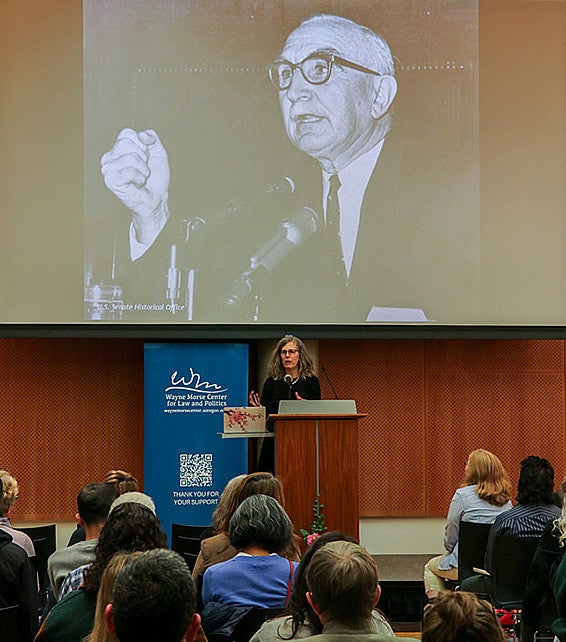
Cramer likens the current pivotal state of democracy to that of Senator Wayne Morse himself.
Drawing on her research into public opinion, political culture, rural communities, and democratic life, Cramer explored how conversations with ordinary people illuminate the public response to data center development. Although data centers have existed for decades, newer 'hyperscale' facilities supporting cloud computing and artificial intelligence are dramatically increasing the scale and pace of development.
The implications extend well beyond the technology itself, Cramer noted. She cited, on the national level, a projected $700 billion in hyperscale data center spending, a 650% increase in news coverage of the issue, and more than 300 data center-related bills introduced in 2026.
She also cited public opinion figures indicating that 47% of Americans believe the costs of data centers outweigh their benefits, while just 13% believe the benefits outweigh the costs.
Communities are confronting questions about water consumption; air, water, and light and pollution; energy demand; bird migration; and the potential effect on their utility bills. Residents also want to know who will bear the financial costs of development and what the broader consequences of AI will be for society.
For Cramer, however, the underlying issue is not simply whether individual data centers are desirable. There is a deeper frustration: It is the growing sense among many people that government and other institutions do not operate with ordinary residents’ interests in mind. Residents of communities everywhere feel they are not receiving their fair share of attention, resources, or respect – alongside a widespread perception that the economy is not working for ordinary people.
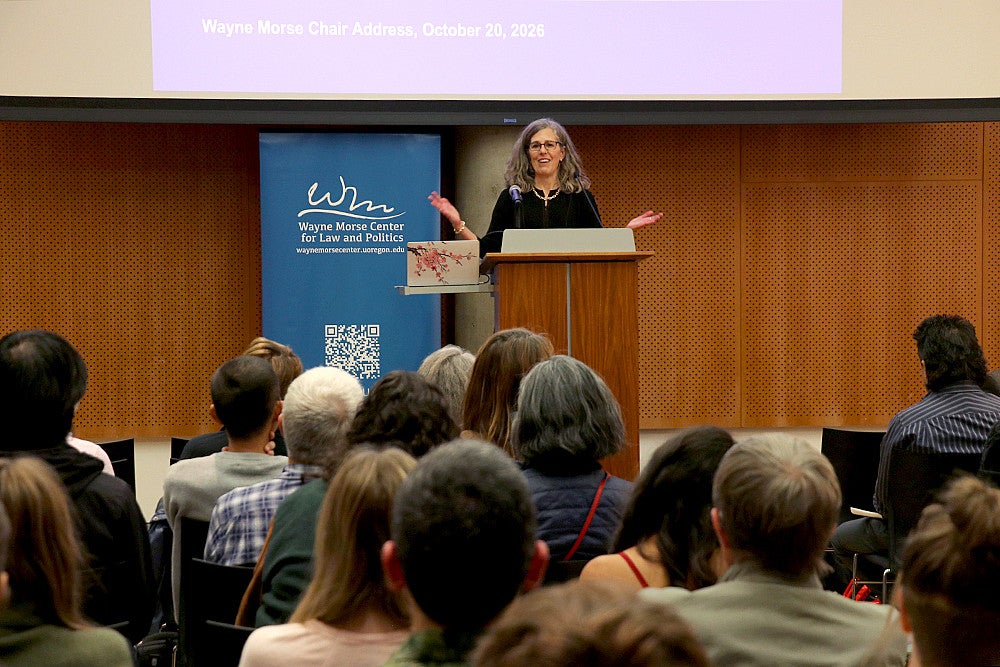
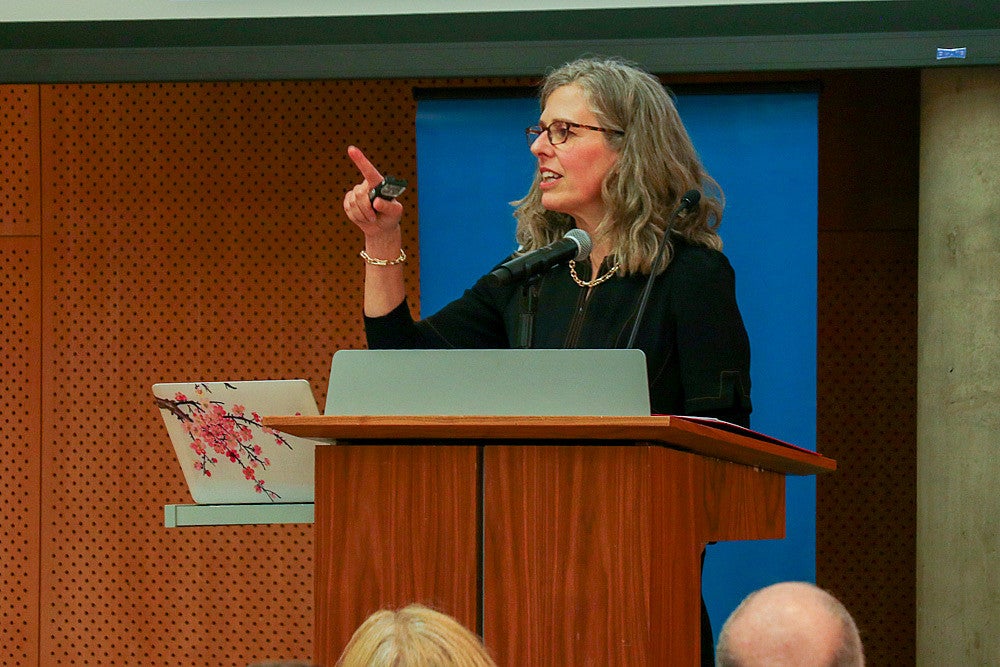
Opposition to data centers can therefore express more than concerns about land use, energy or corporate power, Cramer stated. It can reflect longstanding frustration with institutions that people believe overlook their needs and fail to listen to their experiences. When residents feel that consequential decisions have already been made before they have had a meaningful opportunity to participate, traditional public meetings and limited opportunities for comment may do little to build trust.
Cramer’s exploration points to a fundamental question about democracy: Is it enough to give people an opportunity to speak, or must institutions also demonstrate that public concerns can shape the decisions they make? Meaningful democratic participation requires institutions to take those concerns seriously and incorporate local knowledge and lived experience into decisions.
Can we see what we might do to seize this pivotal moment? Can we look back on this time and say we used these controversies to make our democracy better?
– Katherine Cramer, University of Wisconsin-Madison and 2026-27 Wayne Morse Chair
Despite these challenges, Cramer identified reasons for optimism. Some local governments have responded to data center proposals by pausing development to gather information and consider implications – she noted the state of Oregon's current moratorium as an example. Such responses suggest that controversy can create space for communities and decision-makers to examine difficult questions rather than simply press ahead.
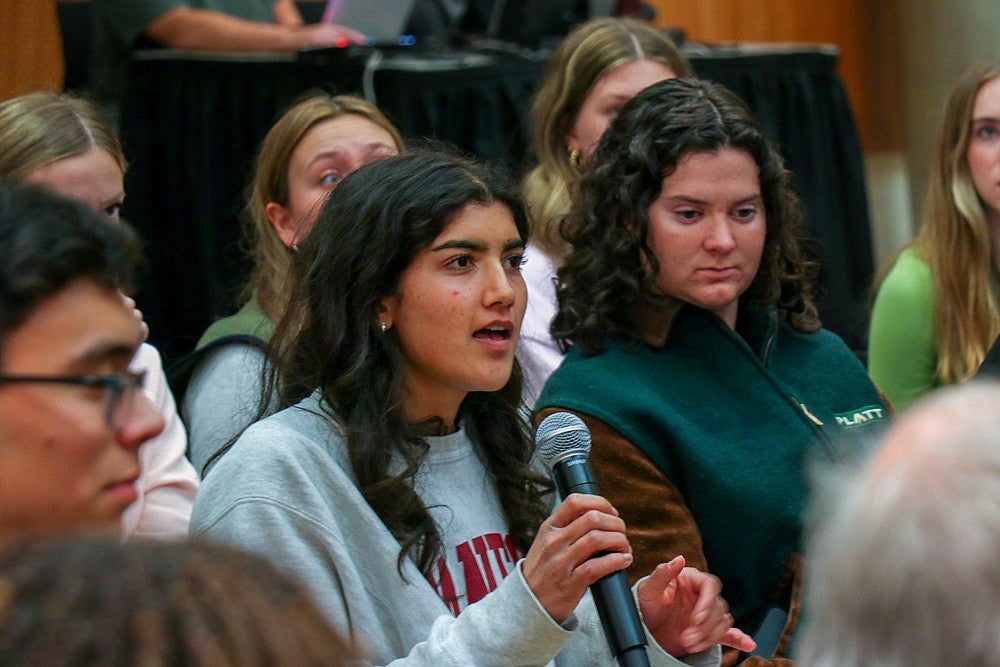
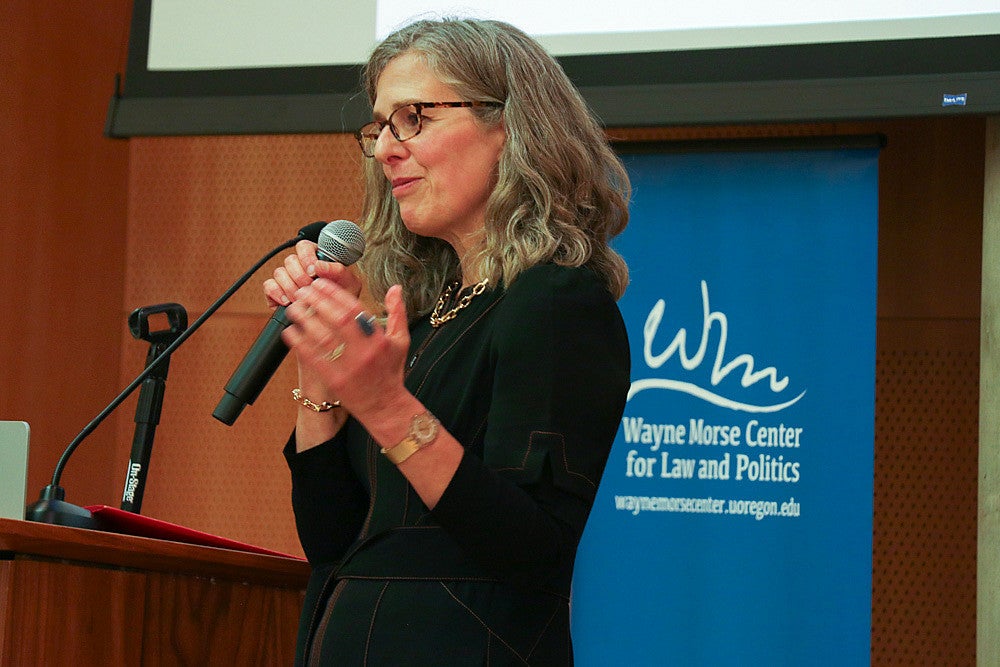
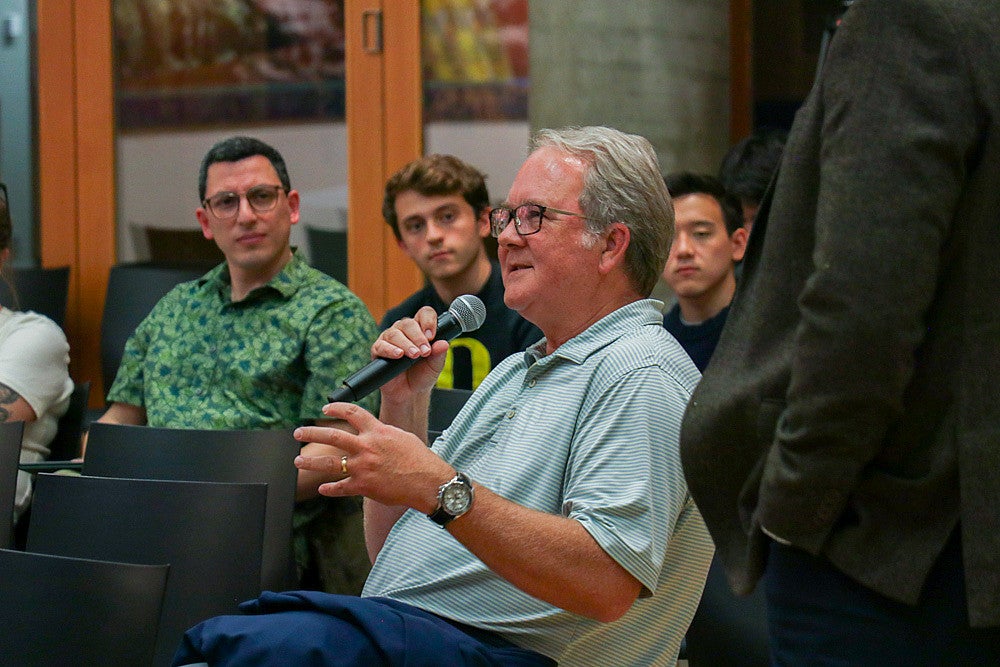
Ultimately, Cramer presented data center controversies as both a test of democratic practice and an opportunity for renewal. During an thoughtful Q&A session that followed Cramer's presentation, attendees' questions reflected a mix of concern and skepticism about data centers’ environmental impacts, energy demands, corporate influence and implications for democracy, alongside constructive questions about regional cooperation, federal oversight, and whether development might create opportunities to advance clean energy.
Cramer responded thoughtfully, acknowledging difficult trade-offs and unanswered questions while emphasizing the need for meaningful public participation, greater dialogue among communities and decision-makers, and policies that ensure technological development serves the public interest. The full Q&A session, as well as Cramer’s complete presentation, is available in the video below.
[embedded YouTube video]
The challenge is to create institutions and processes that respond constructively to public engagement. Could the country use these controversies to build a more responsive democracy, one in which communities have a meaningful voice in decisions that shape their future? That question connects Cramer’s presentation to Wayne Morse’s legacy and to the Wayne Morse Center’s broader inquiry into how communities confront shared challenges.
The Wayne Morse Center for Law and Politics thanks Katherine Cramer for her knowledge and insights, as well as the students, faculty and community members that made this a memorable and thought-provoking discussion.
The Wayne Morse Center for Law and Politics encourages civic engagement and inspires enlightened dialogue by bringing students, scholars, activists, policymakers, and communities together to discuss public problems affecting Oregon, our nation, and the world. It promotes the legacy of Oregon’s Senator Wayne Morse by fostering education, research, and leadership to advance justice and inclusive democracy.
Find more WMC events HERE | Follow the Center on Facebook | Instagram | LinkedIn | YouTube